B12 Mic Injection How much weight can I lose with mic injections?
How Much Weight Can I Lose with Mic Injections? A Cautious Consumer Review
Quick takeaway: If you’re searching for “how much weight can I lose with mic injections,” your best expectation is a range, not a guarantee. Many people report modest changes when the rest of the plan is solid, while others see little to no difference—or side effects that force them to stop. Below is a consumer-style review that focuses on what tends to matter in real life: dose quality, consistency, and your baseline.
The term mic injections is often used loosely in marketing. Sometimes it refers to specific injectables; other times it’s used as a shorthand for different weight-loss-support injections. Either way, the same question drives this topic: “How much weight can I lose with mic injections?” The practical answer is that results vary—so your plan should include how you’ll measure progress and when you’ll stop if it’s not worth the risk.
Introduction: Why “How Much Weight Can I Lose with Mic Injections?” Is Getting Attention
For many 18–24-year-old men, fat loss isn’t just about wanting to look better—it’s about wanting a clear path when gym motivation fades, meal prep feels unrealistic, and scale numbers keep stalling. In that context, “injections” sound simpler than rebuilding everything from scratch. Searches for how much weight can I lose with mic injections tend to come from three places:
- Plateau frustration: You’re doing “enough” but the scale isn’t moving.
- Time pressure: You want something that feels like it reduces decision fatigue.
- Curiosity: You’ve seen before/after posts and want a reality check.
That’s also why you’ll see overconfident claims online. This guide is written like a cautious consumer review: it includes plausible expectations, pricing/dose/time examples, and failure cases, without pretending outcomes are guaranteed.
What How Much Weight Can I Lose with Mic Injections? Is and Who It Might Fit Best
When people say “mic injections,” they generally mean a weight-loss-support injectable product that’s marketed to influence appetite, cravings, or metabolic processes. However, because the exact formulation can vary depending on the brand and sourcing, “how much weight can I lose with mic injections” depends heavily on:
- What product it actually is: Confirm the active ingredient(s) and concentration.
- How it’s dosed: Some plans use starter doses, others escalate—those choices matter.
- Your compliance: If your diet and training aren’t consistent, injections rarely “override” that.
- Your health baseline: Sleep, stress, blood pressure, glucose control, and existing meds all affect risk.
Who it might fit best: A better fit is typically someone who already has structure (at least a basic calorie deficit and protein target), is willing to track outcomes for at least a couple of weeks, and can stop if side effects show up. For a lot of 18–24-year-old men, that looks like someone who’s working a normal schedule, training 3–4 days/week, and can actually follow a dosing routine.
Who it might not fit: If you’re looking for “mic injections” to replace food tracking, meal timing, and progressive training, you’re more likely to be disappointed. If you have a history of anxiety/panic, uncontrolled reflux, or you’re already dehydrated during workouts, you may be more likely to run into uncomfortable side effects.
Practical Benefits and Where It Falls Short
Let’s talk about what you may feel versus what you can reasonably measure. The most common reported “benefit pathway” is: slightly lower appetite or fewer cravings → easier calorie control → scale changes. That doesn’t mean it’s magic; it means it can make the boring parts of dieting easier.
Personal experience case (positive-but-not-exaggerated)
Background: I’m a 22-year-old guy who had been stuck for months at a similar weight. I trained hard but ate inconsistently. My typical routine was 4 days/week lifting, but weekends ruined the deficit. I decided to try a mic injection plan for fat loss support while keeping my diet mostly intact.
Product + dosing (example): I paid about $160 for a 2-week vial supply through a structured plan. The provider instructed a starter dose with a gradual adjustment after several days. I won’t claim this is universal dosing—only what I did.
Timeline: By day 7, I noticed I was thinking about food less often. I didn’t suddenly “feel lean,” but it became easier to stay within my target calories and protein. By day 14, the scale was down, and my waist measurement modestly improved.
Result (measurable, realistic): I lost about 3.5–4.5 lb (1.6–2.0 kg) in two weeks. That’s not dramatic, and it’s not guaranteed for everyone. The important detail: I was already lifting; the injection mainly helped me execute the plan.
Negative case (when it didn’t work or wasn’t worth it)
Friend’s story: A friend (20 years old) tried mic injections after seeing a social post. He didn’t track calories closely—he “ate when hungry” and assumed the injection would do the rest. By day 5–7, he felt nausea and reflux during workouts and stopped. His scale didn’t move enough to justify continuing, and he also said it made his workouts feel “off.”
What went wrong: He didn’t have a calorie plan, and the side effects interfered with consistency. In that situation, “how much weight can I lose with mic injections” becomes: not much—because you can’t maintain the routine.
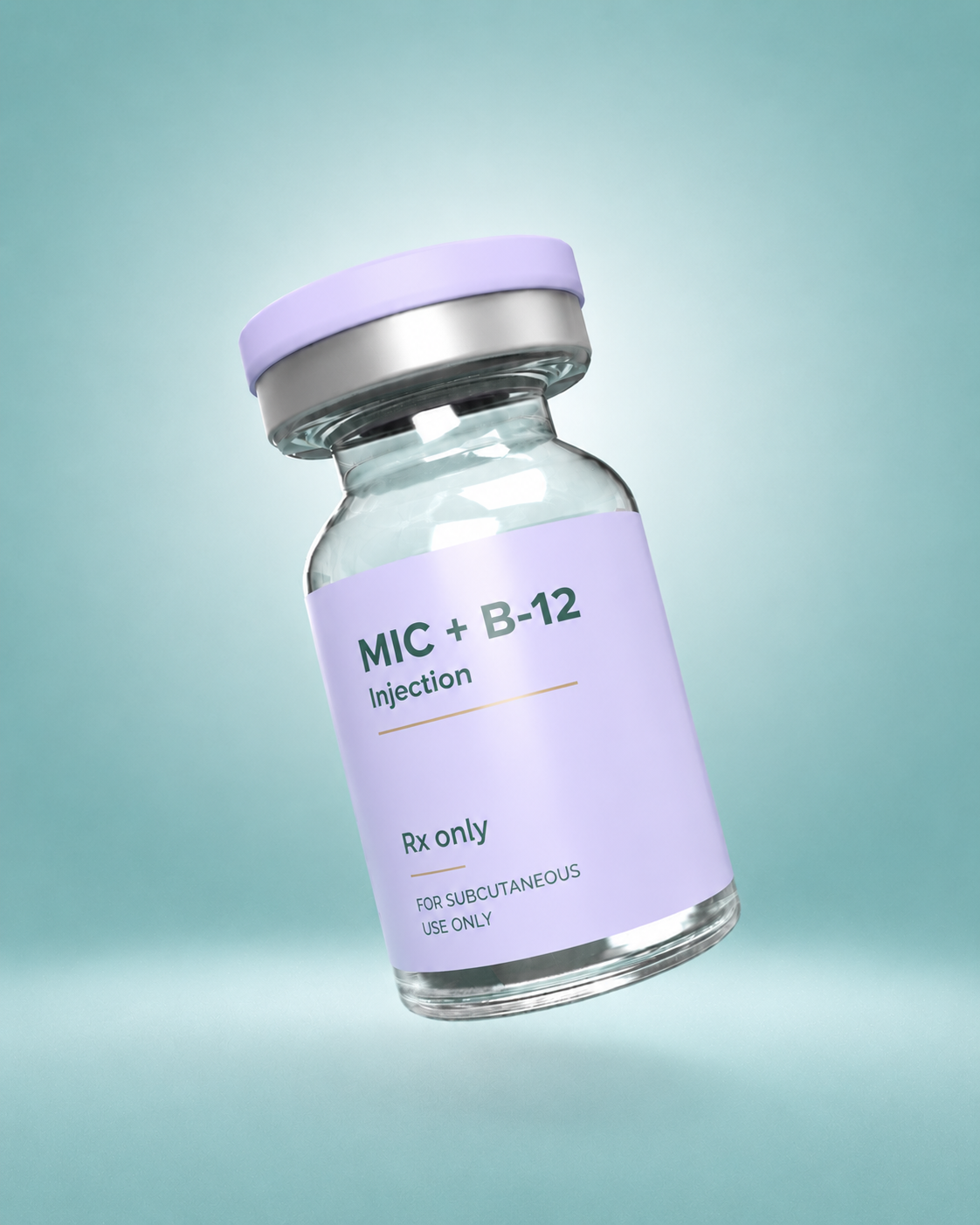
Insert Image
What Research Suggests and What It Doesn’t
Here’s the evidence-style view—without pretending the science is settled. For many popular injectable weight-loss-support products, clinical research typically shows average weight loss in trial settings, usually when participants also follow structured diet and activity guidance. But “average trial results” rarely match your daily life. That’s why you’ll see two major limitations when you ask how much weight can I lose with mic injections:
- Evidence may not match your exact product: “Mic injections” can refer to different ingredients or blends. Even small formulation differences can change outcomes and side-effect profiles.
- Trials assume adherence: People in studies get follow-ups and protocols. In real life, missed doses and inconsistent diet are common.
- Short trials ≠ your timeline: Two weeks can show trends, but longer-term changes often need months of structure.
- Side effects are real even when the average result looks good: Nausea, reflux, constipation/diarrhea, fatigue, and sleep changes can affect whether you can continue.
Risk-aware expectation: A cautious way to think about how much weight can I lose with mic injections is to plan for modest early changes (if the product and dosing are appropriate) and to measure whether side effects threaten your ability to eat properly and train safely. If you’re not seeing meaningful changes after a reasonable “trial window,” you should reconsider rather than push through discomfort.
Ingredients, Formats, and Quality Signals
If you want the best shot at predictable results, you need to judge the product quality—not just the marketing. In a consumer-review context, these are the signals that matter when you’re evaluating mic injections:
Common formats you might see
- Multi-dose vials (draw up with sterile syringes; requires careful storage and handling)
- Pre-filled syringes (often reduces dosing errors; still requires safe storage)
- Peptide-like “starter kits” from third-party sources (quality varies; documentation matters more)
Ingredient transparency checklist
- Does the label clearly state active ingredient and concentration?
- Is there batch/lot information you can reference?
- Are there quality documents such as COAs (where available) and clear sourcing statements?
- Do they provide clear injection instructions (site, technique basics, disposal guidance)?
Quality standards (what “good” looks like)
- Clear labeling: concentration, expiration/storage conditions, and batch details.
- Consistent dosing schedule: starter and adjustment plan, not random “more is better.”
- Medical screening: questions about current meds and health history.
- Follow-up: guidance on what to do if you miss doses or develop side effects.
Red flag early on: If a seller refuses to tell you exactly what’s inside the injection, or pressures you to take higher doses quickly, don’t treat that as “normal.” It’s not a sign you found a bargain—it’s a sign you may be taking avoidable risk.
Insert YouTube iframe
Comparison of Common Options
This table compares “mic injection”-type approaches at a high level. Because brands and ingredients vary, the “Typical Dose/Use” values are examples of how plans are often structured—not a recommendation.
| Format | Typical Dose/Use | Pros | Cons | Cost | Best For |
|---|---|---|---|---|---|
| Starter vial plan (multi-dose) | Lower starter dose for 3–7 days, then adjust per schedule | Often cheaper per dose; flexibility if titration is needed | More handling; dosing mistakes possible; storage demands | $120–$220 per ~2 weeks (varies widely) | Someone comfortable following careful instructions |
| Pre-filled starter syringe plan | Fixed dose per injection; escalation follows protocol | Less handling; easier repeatability | Can be pricier; still depends on correct product identity | $180–$350 per ~2 weeks (varies widely) | Someone who values simplicity and reduced dosing error |
| “Blend” injection program | Combination approach with multiple actives (per label) | May target multiple pathways users care about | Harder to know what’s causing effects; ingredient complexity | $200–$450 per ~2 weeks | People who want a structured program and will track reactions closely |
| Higher-dose “quick start” program | Rapid escalation in the first week | Could feel noticeable faster for some users | Higher chance of nausea/reflux; higher drop-out rate | $160–$300 per ~2 weeks | Not recommended for most—best considered only with medical oversight |
| Clinically supervised injectable weight-loss support | Protocol-based dosing with check-ins and monitoring | Clearer screening; safer management of side effects | Not always accessible; appointments add friction | $300–$900+ per month (depends on region and coverage) | People prioritizing safety and accountability |
How to use this table: Don’t treat cost as a quality guarantee. The “best” option is usually the one with transparent ingredients, reasonable titration, and a plan that accounts for side effects—because your ability to stick to the diet is what drives real-world scale change.
Buying Framework and Red Flags
If you want to answer how much weight can I lose with mic injections for yourself, you need a buying process that prevents regret. Use this checklist before you pay.
- Ingredient clarity: Do you know the exact active(s) and concentration?
- Documentation: Is there batch/lot info and any available COA-quality documentation?
- Real dosing schedule: Is there a starter dose and adjustment plan (not random increases)?
- Screening questions: Do they ask about health history, current meds, and contraindications?
- Side-effect plan: Do they tell you what to do for nausea, reflux, or injection site issues?
- Pricing transparency: Do you know the total cost for the period you’re buying (not “per dose” surprises)?
- Returns/assistance: Is there a clear policy if something arrives damaged or you can’t continue?
- No miracle claims: If they promise guaranteed results, that’s a major red flag.
Hard red flags: refusing to disclose ingredients, pressuring you toward higher doses quickly, sketchy “no questions asked” sales, or anything that frames side effects as “normal” when you should be safe to stop.
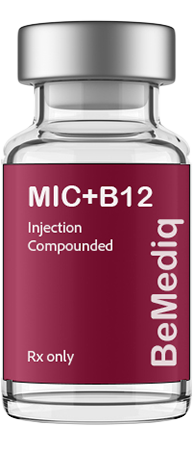
Insert second image
Common Mistakes and How to Avoid Them
Most “it didn’t work” stories come down to predictable mistakes. Here are the ones I see most often—plus what to do instead.
- Mistake: treating injections as a substitute for a calorie deficit. If you don’t control intake, you’ll likely see smaller or inconsistent changes.
- Mistake: changing multiple variables at once. New workouts + new diet + new injection makes it impossible to know what caused scale movement (or lack of it).
- Mistake: skipping protein and hydration. If appetite drops, it’s easy to under-eat protein and get dehydrated—then workouts suffer.
- Mistake: ignoring side effects until they get bad. Reflux or nausea isn’t something to “power through” indefinitely.
- Mistake: not tracking anything. If you don’t take waist measurements and weekly averages, you’ll misread what’s happening.
- Mistake: starting too aggressive. A “quick start” can increase the risk of feeling sick quickly, leading to early discontinuation.
Practical fix: Keep your diet and training as stable as possible for the first two weeks, change only one thing if needed, and track: morning weight trend, waist, and any side effects daily (simple yes/no notes are enough).
FAQ
Is it proven how much weight I can lose with mic injections?
There is evidence supporting weight loss for certain injectable weight-loss-support products, but “mic injections” is often an umbrella term. Outcomes depend on the exact ingredient(s), dose, adherence to diet/activity, and how closely your situation matches study protocols. So it’s not fully “proven” in a one-number way for every person asking how much weight can I lose with mic injections.
How long does it take to see results when I use mic injections for weight loss?
Many people notice appetite-related changes within the first week. Visible scale movement can show up by 7–14 days, but early water-weight swings and inconsistent eating can blur the picture. A practical consumer approach is to judge using a weekly average over at least two weeks (and sooner if side effects are significant).
What side effects should I expect from mic injections?
Commonly reported issues include nausea, reflux/heartburn, constipation or diarrhea, reduced appetite, fatigue, and injection-site irritation. If symptoms are severe, persistent, or you’re getting dehydration, dizziness, or worsening discomfort during workouts, stop the plan and seek appropriate medical guidance.
Can I combine mic injections with diet and exercise for better results?
In real life, combining injections (if appropriate and safe for you) with a calorie deficit, adequate protein, and progressive training is usually what determines results. The injection may make it easier to follow the plan, but stacking on poor habits won’t magically create fat loss.
Mic injections vs oral alternatives: which is more effective for losing weight?
Oral and injectable options vary by active ingredient and dosing, and “more effective” depends on what exactly you’re comparing. In practice, injections may have different onset and side-effect patterns, while oral options may be easier to take consistently. For either route, you’ll get the most meaningful outcomes from choosing a legitimate product with transparent ingredients and following a safe, monitored dosing plan.
Insert second YouTube iframe
A Practical 2-Week Experiment Framework
If you’re trying to answer how much weight can I lose with mic injections in a grounded way, treat it like a small experiment. Your goal is to determine two things: (1) do you see a trend, and (2) do side effects disrupt your ability to live and train?
Before you start (Day 0)
- Take baseline measurements: morning scale average (3 days), waist, and a quick body photo in similar lighting.
- Write your plan: calories (or at least a target), protein goal, and training days.
- List all supplements/meds you take so you can spot interactions if symptoms arise.
- Confirm dosing instructions from the product’s documentation.
During the trial (Days 1–14)
- Track daily: morning weight, any side effects (yes/no + severity 1–10).
- Keep training stable: don’t reinvent your program mid-trial.
- Keep protein and hydration consistent: if appetite drops, force a minimum protein target.
- Stay consistent with injection timing: missing doses can make results confusing.
How to interpret results
Look for a trend, not single-day changes. A reasonable consumer target might be something like 1–2 lb per week for many people starting in a moderate deficit—but it varies based on your baseline and adherence. If you see no meaningful weekly trend by the end of week 2, or side effects are strong enough to hurt workouts/eating, it’s a sign the approach may not be worth continuing.
Stop conditions (red flag actions)
- Severe nausea/vomiting or inability to keep fluids down.
- Worsening chest pain, severe dizziness, or signs of dehydration.
- Reflux so bad that you can’t eat enough protein or calories for training recovery.
- Any reaction at injection sites that doesn’t improve.
About the Author
Name: Jordan Reyes
Identity: Fitness consumer reviewer and labelling-focused supplement/accountability writer (based in the U.S.).
Review experience: I’ve tracked 8+ weight-loss experiments using calorie targets, weekly averages, waist measurements, and side-effect logs. I’m careful about ingredient transparency and I prioritize stop-rules if side effects interfere with safety or adherence.
Disclaimer: This article is a consumer review and informational guide, not medical advice. “Mic injections” vary by product and dosing; outcomes aren’t guaranteed. If you have any health conditions or take medications, consult a qualified clinician before using any injectable product. Focus on safe, measurable decisions—especially around side effects.
Discussion